
By popular request:

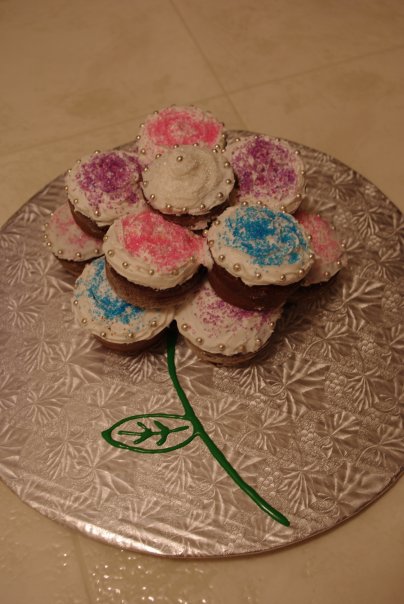


Wait a minute… This is what Google Image Search is for! Go find your own damn cupcakes.
By popular request:
Wait a minute… This is what Google Image Search is for! Go find your own damn cupcakes.
Catherine is yet another game about duality. Yeah, there are lots of those. Ikaruga might be the most obvious and easiest example (Breath of Fire IV being the least obvious but most noteworthy). It’s not a terribly original idea for a video game anymore, and really, it wasn’t even an original concept in general by the time video games came around. I’m not a literature enthusiast, so I can’t name any examples, but I’m certain that traditional authors beat the idea into the ground long ago. Catherine however, uses it to great effect and unlike Ikaruga, does so a little more subtly. And by “subtly” I mean it’s not a core gameplay mechanic.
This duality becomes apparent if you notice the game’s logo, which is a yin-yang-esque seal that features Catherine and Katherine, the game’s two… I’m really not sure the best way to describe them. They play many roles in the game, which change depending on how you play it. They aren’t really the leading ladies and I’m even a little hesitant to call them secondary characters, because there are very few situations in which you can interact with them directly. Actually, I think the best description for the K/Catherines is “plot devices.”
The story of Catherine is a week in the life of Vincent Brooks, a man wavering under pressure to marry his longtime girlfriend (Katherine), who ends up spending a night with another woman (Catherine). The game follows Vincent for each of the seven days in this week, and possibly farther. I’ve only achieved one ending so far (of… three, maybe?), and it extended the story into nine days.
Over the course of this week+, Vincent goes through a lot, but the focus is on whether he longs more for the stability of a life of order, or the excitement of freedom. In the game, you are asked to make many decisions. The bulk of them are how you make Vincent react to the problems of the people around him, and only influence what ends up happening to those characters. There are a handful of questions asked to the player specifically though, which will shape how Vincent approaches his own problems. Every one of these choices, and even some other actions (like replying to text messages) affect a small meter that pops up and lets you know which way you’re headed. The NPC choices will tip the meter a little, depending on the answer you choose, but mandatory story choices will sometimes knock that thing a good quarter of the length of the whole bar.
The difference between this meter and the morality meter in countless other games (Mass Effect, Fable, etc) is that it not, in fact, a measure of how good or bad Vincent is. Though you can easily get the wrong idea, due to the fact that one side is blue (and is topped with a cherub) and the other is red (and adorned with a tiny devil child). This meter actually represents whether Vincent values freedom or order more, which is pretty morally ambiguous. Maybe Vince wants to live a life of freedom, not falling to the pressures of society to settle down and live his life the way he’s told to. But this doesn’t necessarily make him evil. It’s not even the <i>wrong</i> way to live. On the other hand, what makes “order” so inherently good? If you think about it even a little, it could easily be spun either way.
Therein lies the more subtle duality of the game. I mean, it’s not actually subtle because the game’s gonna be beating you over the head with that meter, but the point is that Vincent has a choice to make, which will affect what kind of person he ends up being. The subtlety is that little events are influenced by the meter here and there, but none of it makes a huge difference until late in the game, when Vincent finally has to confront his demons, whatever they may end up being.
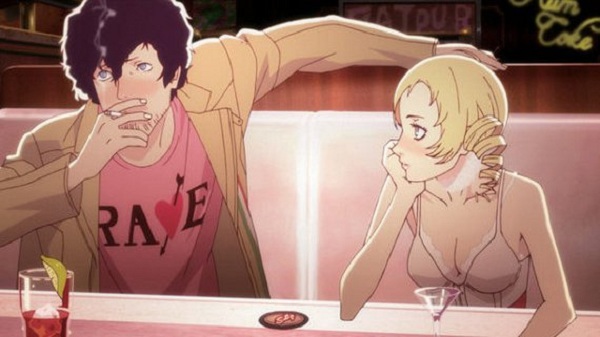
The gameplay itself shows another kind of duality, but not within the mechanics themselves, but rather the separation of game mechanics. The game takes place over the course of a week, and you get to take control of the more interesting points of every day within that week. Each day is split into two separate play types. During the game’s “daytime” phase, which usually takes place between 8PM to 1AM, you get to watch the majority of story events unfold, and then get to hang out at Vincent’s favourite bar, The Stray Sheep. Sheep are actually a secondary theme in the game, but that’s someone else’s article. In the bar, you saunter around, talking to the various patrons and staff. About half of them are dealing with their own mid-life crisis, and you can listen to their stories and encourage them to face their problems. The other people about are generally around for entertainment purposes, generally giving cryptic hints about events to come, or cracking wise about Vincent’s predicament.
Other bar-time activities include texting the K/Catherines, visiting the washroom, changing the music via a jukebox, having drink, and playing an arcade game. Once in a while, Catherine will send a seductive photo with a text message, and Vincent won’t look at it unless he’s in the privacy of the washroom. That about all it’s there for. Also, you can have him wash his face, which will trigger a short event that will likely make you jump the first time it happens. A new music track for the jukebox is unlocked with each achievement you earn, which is great because achievements are almost never accompanied by a tangible reward. And sitting down to have a drink will (obviously) increase Vincent’s alcohol meter, which will cause him to move faster at “nighttime.” Also, when you finish a drink, the game will show you a little trivia about whatever you just polished off. It’s an odd feature, but I found it compelling and proceeded to get Vince stone drunk every night so I could hear as many as possible.
The daytime segments are cool, and do a great job of moving the story forward and building the characters, but they’re more than a little slow. That’s where nighttime comes into play. The other big dilemma Vincent is facing is that every night he gets trapped in a nightmare where he must climb a tower of blocks or else be brutally murdered. Not a huge issue normally, but due to a mysterious string of young men found to have died in their sleep, it seems quite likely that if Vincent dies in the dream, he dies for real. This is where the game does a complete 180, ripping you out of the safety of the bar and literally forces you to think on your feet or die.
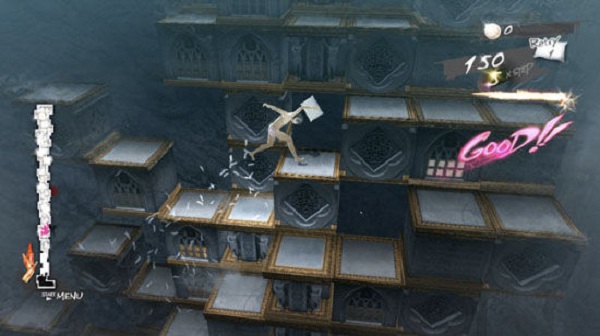
The nightmare sequences’ “Levels” are made up of between one and six themed floors of crumbling block towers. They’re more like block walls, really, but the point is the same: you need to manipulate the blocks in the tower/wall to make a way to the top. On easy mode there are only a handful of really tricky parts in the second half of the game, but even on normal, you’re looking at some rather clever puzzles as early as the second night. Those puzzles are only half the problem too, because the tower below you is crumbling away pretty quickly. Having to think about a puzzle might lose you the high score, but if you really can’t figure it out, you’re dead. And of course, classic video game staples like bad guys and trap blocks are there to make life that much harder for you. Unlike the relaxed atmosphere of the bar, you really get a sense that in the nightmares, the game wants you to die.
Other notes here are that you’re scored on your speed and how many coins you pick up, and are given a trophy at the end of each night. They’re mostly irrelevant, but unlock new stages in an extra game mode if you earn them on normal or hard difficulty. The last floor of each stage is also a boss “fight,” where instead of racing against falling blocks, there’s a giant monster clawing at you heels. Occasionally they will change the properties of random blocks or shoot lighting bolts or razor blades at you. These floors are usually the most frantic, and far and away the most fun in the game.
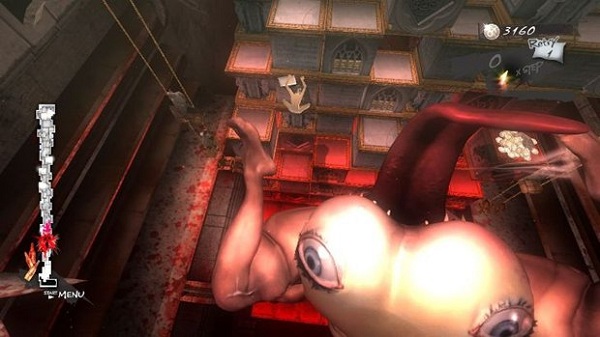
Generally, Catherine (the game, not the character) is more than happy to keep the bar and nightmare sequences completely segregated. Though as always, there are exceptions. I’d mentioned that there is an arcade game in the bar, should you feel like whiling away your time on a game within a game. The really fun part is that Rapunzel is a tiny reproduction of the main game’s nightmare stage gameplay. Instead of the walls being hundreds of blocks high, they’re only maybe a dozen. At least, for the first few stages. There is no time limit in Rapunzel, but you do only get a certain amount of moves per stage, putting the focus on solving puzzles. These puzzles are much more devious than those in the main game too, as I’ve only managed to get to stage eight out of 64 (Maybe. There’s an achievement for beating stage 64, anyway. I assume it’s the end). It gets even deeper when Vincent receives a taunting text message that says that Rapunzel also has multiple endings. When has that ever happened before in the history of video games?
The nightmare stages also give you a change for a little reprieve in between floors. There, you’re treated to a nice little sanctuary, where every other man suffering from the nightmare stands waiting to challenge the next floor. These men all look like sheep in the dream world (which ends up being tied into the story), and some of them will have defining traits like ties or hair. These ones are people you can interact with in the bar, and will open up to you even more here, since to them, you’re the one who looks like an anonymous sheep. You can continue to encourage them to keep climbing here, and some will even share climbing techniques with you. Until late in the game there’s a merchant sheep here too, who will sell you items that can give you a small edge. But buying items costs points, and is therefore a bad idea if you want to earn gold trophies. Besides, items can be found while climbing the towers themselves, and the game (on easy mode at least) is pretty good about doling out items when they’ll be most useful.
The way Catherine draws its parallels is a fairly unique one in that it shows you two options, but then proceeds to blur the distinction between the two. Katherine and Catherine, freedom and order, the bar and the nightmare. While it goes out of its way to make it seem like there’s a proper and improper way to go about playing the game, that’s just to mislead you; it’s really all gray area. Just because you want Vince to hook up with Catherine doesn’t mean you need to be a complete ass to Katherine. But you can. Don’t like the puzzle stages and want to get back to the story? Choose easy mode and look up speed run videos on YouTube. Don’t like the slower bar sequences? Skip them. Or just play Rapunzel. The game is about growing up and taking responsibility. Or maybe it’s not, because the game is really about choices. (Actually, maybe it really is because I’ve only played through as a solid seeker of order.) The point is that Catherine wants to show you that there’s always a choice. It wants you to know that for every choice you make, there’s another you didn’t. For every yin there’s a yang. For every Katherine, there’s a Catherine.

Interesting tidbit: While typing the two sentences above, I missed typing nearly half of the o’s. Weird.

That aside, I’ve decided that this year I’m just going to mash up all the pictures I took instead of trying to do anything more inspired with them. No categories, no long-winded stories, no character commentary. Nope. Just going to put them on the page and make some quick notes where I deem necessary.
Also there are tons of pictures,. Enjoy 😉
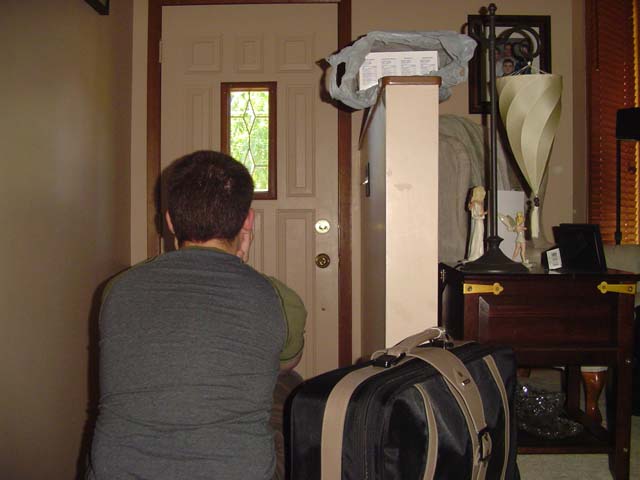
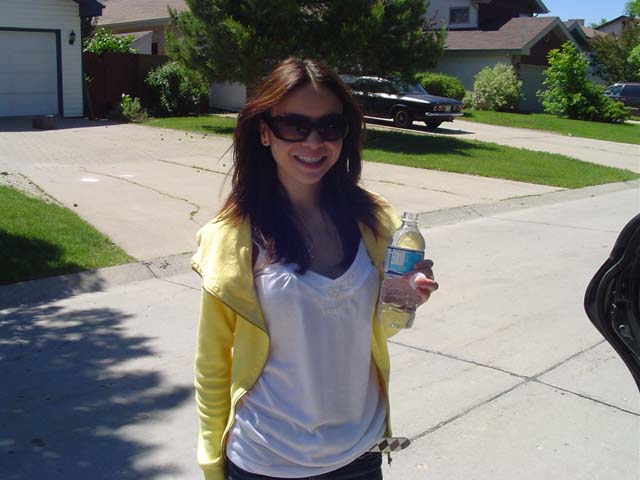

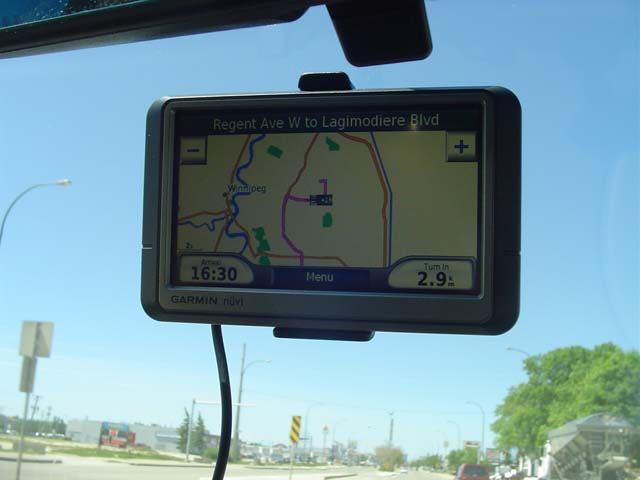
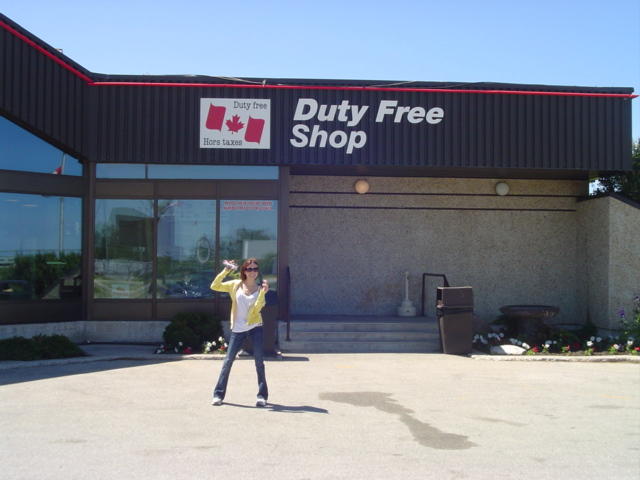












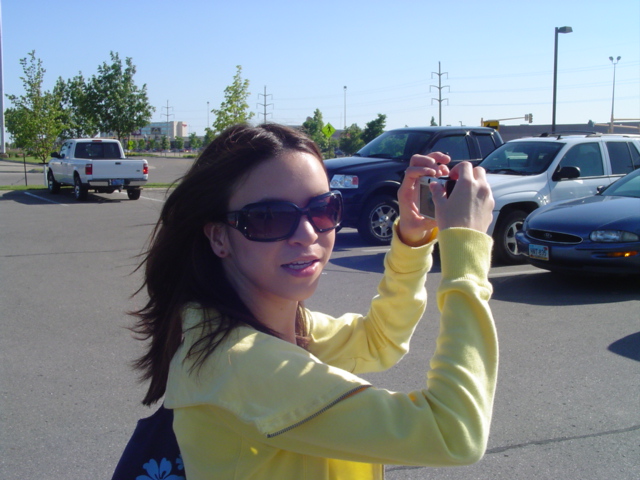

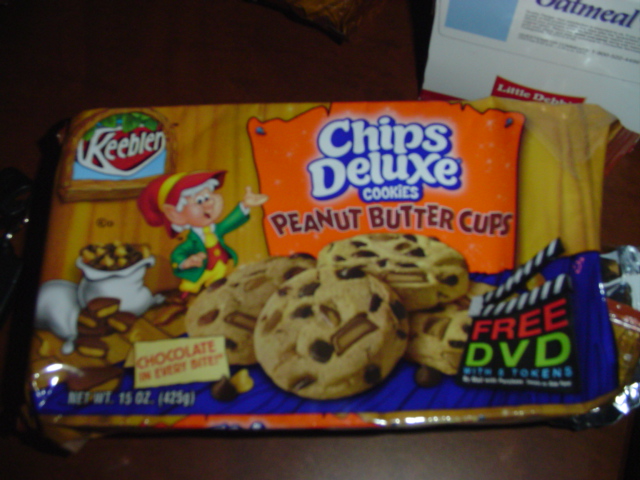



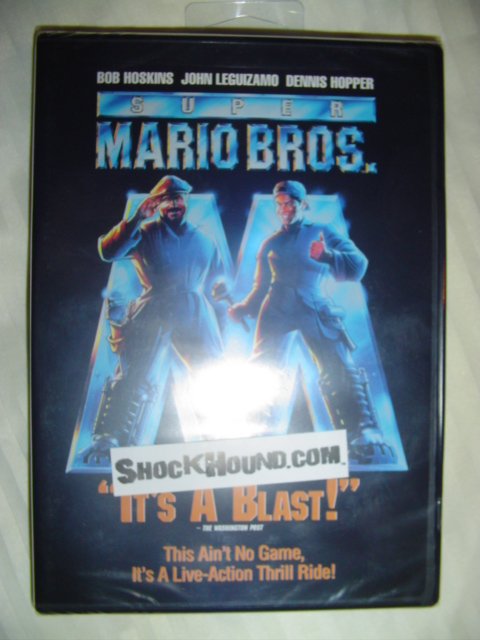
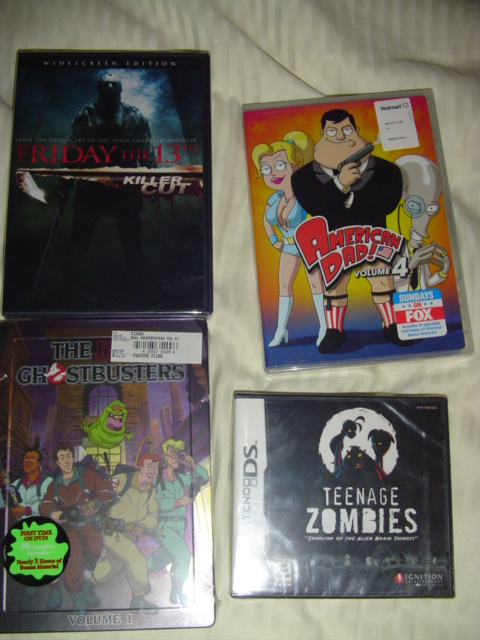










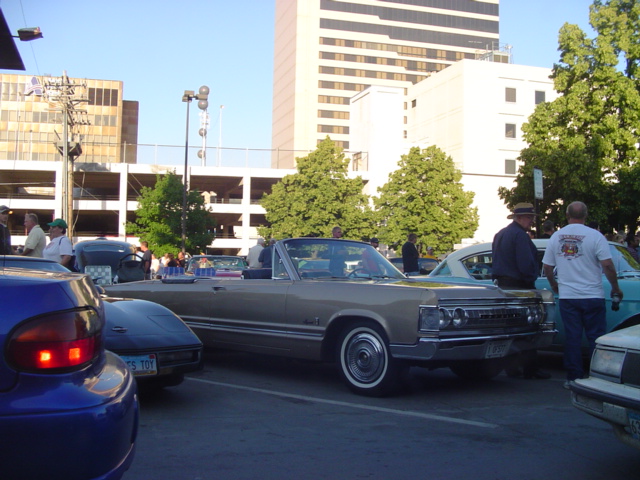
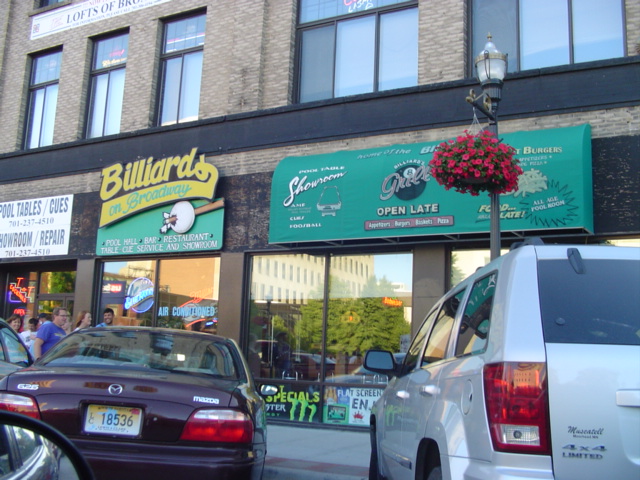
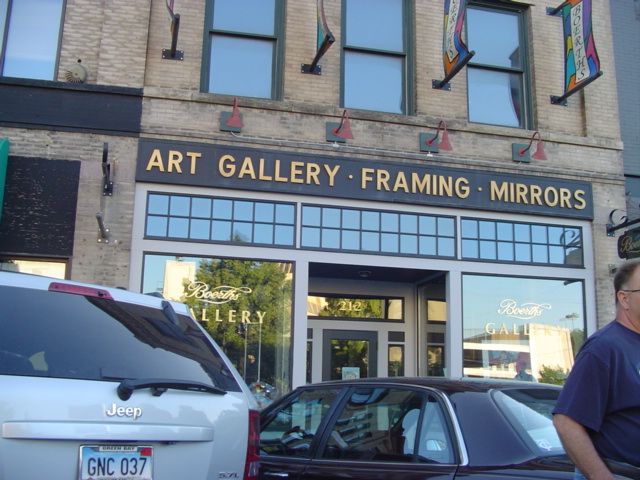

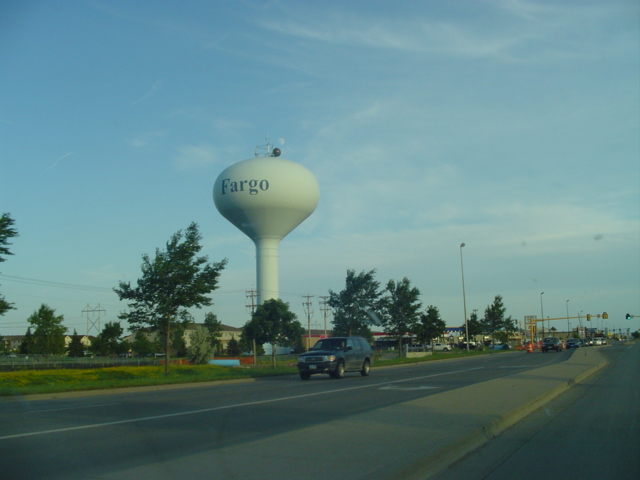


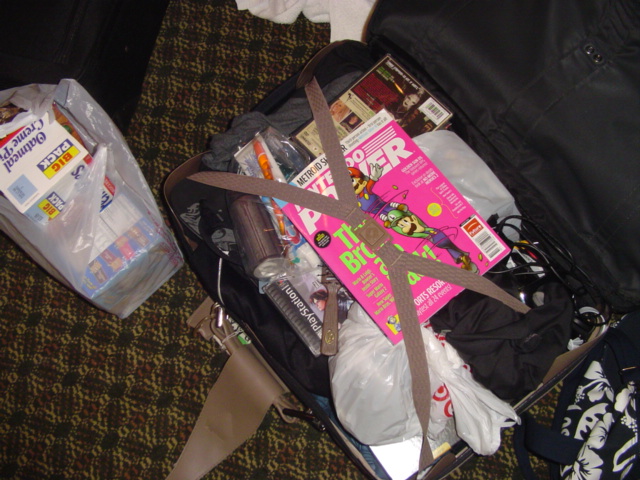

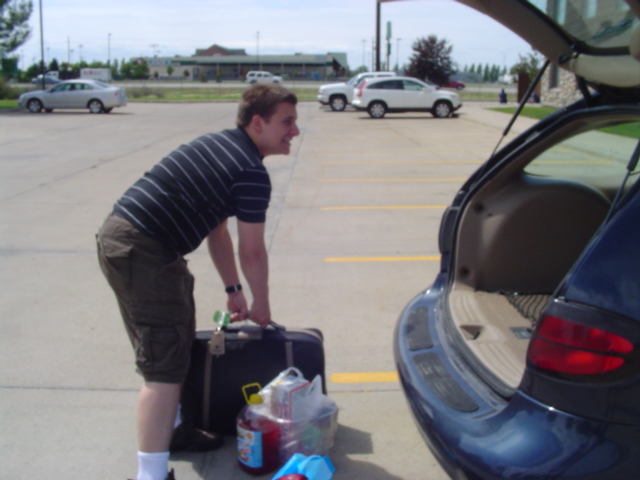





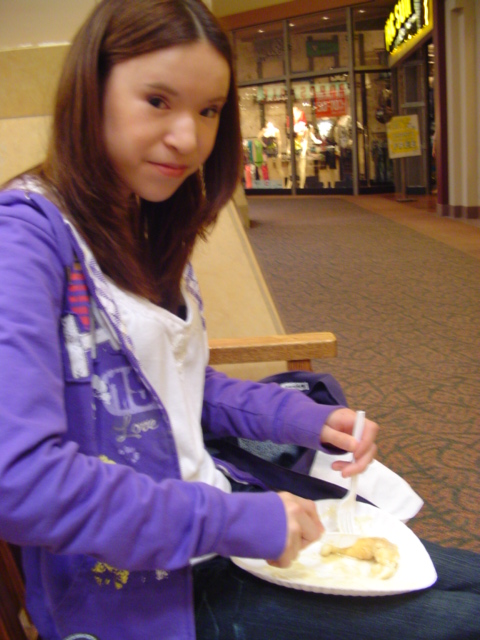


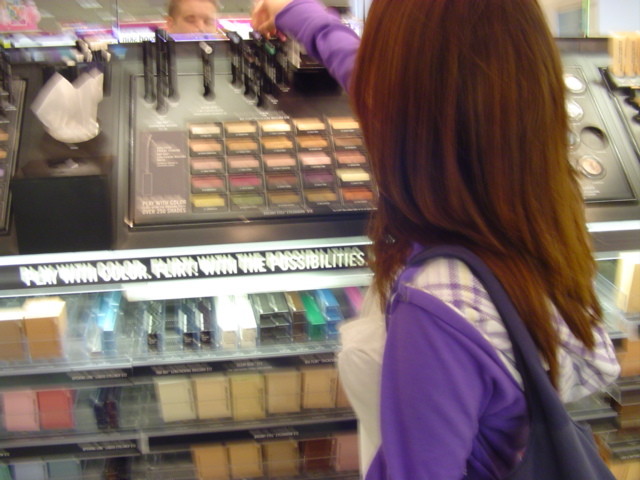
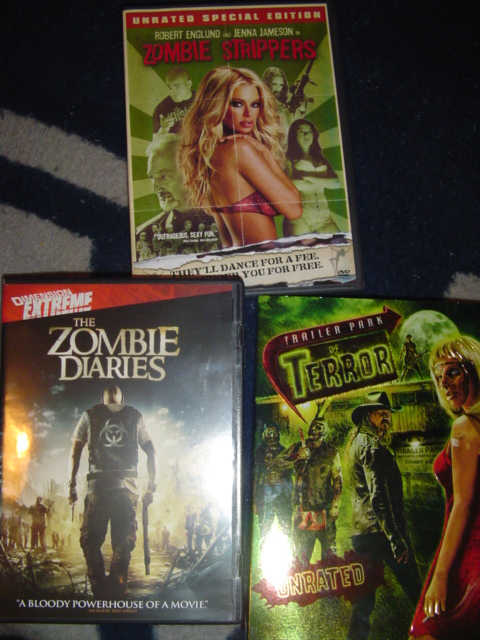
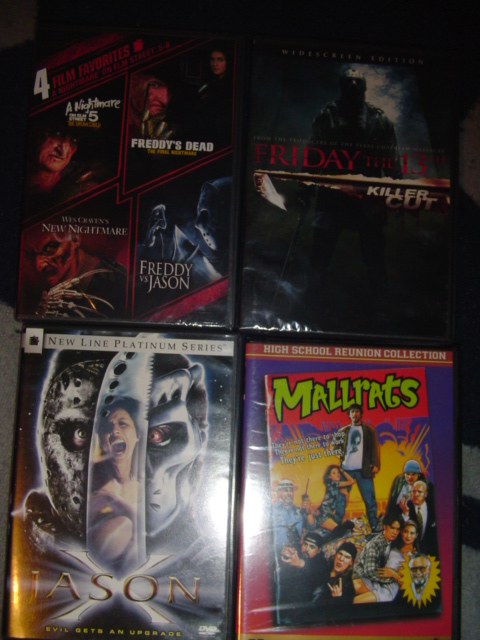
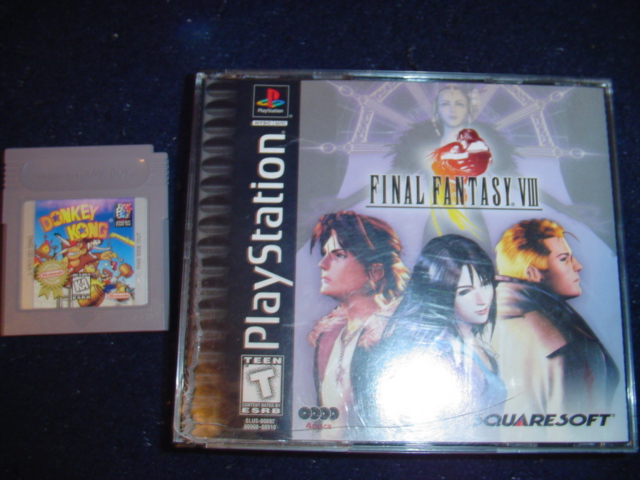
And that’s pretty much it. Following in the general spirit of this “article”, I really don’t have much more to wrap up with, so I’ll leave it at that.
~FIN
You’ve seen the pictures on Facebook, now here’s the video!
I happen to think that this is pretty hilarious. Particularly the part with Luigi.
Yep. I called it.
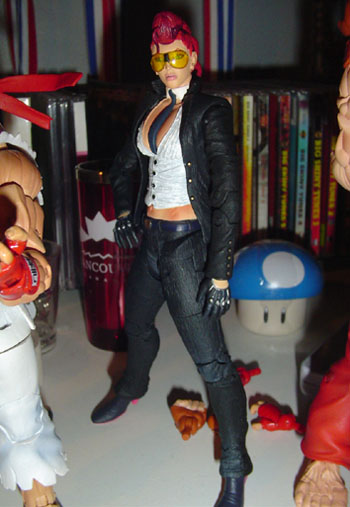
Despite the fact that they were way outside my budget, I went out and bought tickets for No Doubt and Paramore this morning. They’re sorta crappy seats, but they were the cheaper ones and still so much more than I should have spent. But you should have seen the way here eyes lit up when she told me that her two favourite bands were coming to town together. There was no way I couldn’t get the tickets. Oh well…
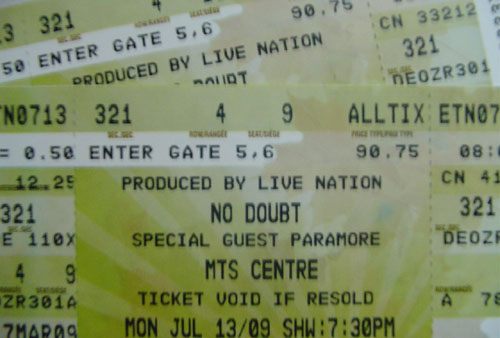
Oh, and don’t tell her about these! They’re a surprise!
I’ve always secretly loved Valentine’s Day. Not because I’m a big fan of love and mushiness or anything, but because it always gave me a good reason to mope. I looked forward to the day because it was a day where I could lock myself in my room and be gloomy and have a “legitimate” reason for it. It was a day that celebrated couples, and I was single; in theory everyone who wasn’t in a relationship should be bummed. But not me. I love being sullen and whatnot, so it was always great for me. Don’t know why I enjoyed being alone and moody so much, that’s just how I was.
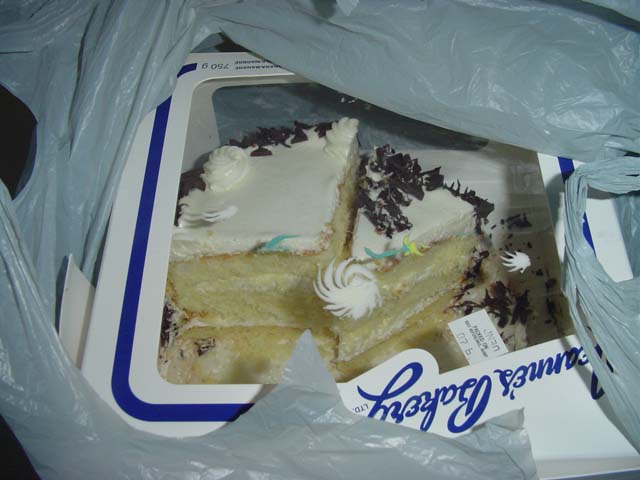
But now in 2009, I’m in a serious relationship, and Valentine’s Day is exactly the opposite of what it used to be. I got home from work and had to work my ass off to get everything cleaned up and dinner prepared in time. I spent the whole night with her instead of being all by my lonesome, and for the first time ever, I had a ton of fun on Valentine’s Day with someone other than myself. We didn’t do much, just had a nice home-cooked dinner, played Rock Band, ate a cake (yes, we ate an entire cake between the two of us), and muddled around on Facebook for a while. It wasn’t fancy or expensive, but it was perfect.
And now I’m sitting here thinking that despite the fact that this V-Day couldn’t be any more different from the old ways, there is one thing that they have in common: both types made me happy, just in different ways.
Ah, a new year. We’re already a few days in, but let’s talk about it anyway. I know I’m usually more of the cynical type, but I’ve got a good feeling about 2009. Not that 2008 wasn’t a good year. Oh no, quite opposite in fact!
2008 was a pretty great year in and of itself. There was that one rough patch in March-ish, and the last week of the year was a little touch-and-go for a while, but overall I’d say 2008 was a rousing success. The belated release of Super Smash Bros Brawl was more than enough in itself to make me happy with last year, but let’s not forget some of the other great things that came to us like No More Heroes and Fable II. Oh, and Tales of Vesperia too, which I am still spending a solid chunk of my free time playing (damned achievements!).
I also got a promotion earlier in the year, and though I enjoy the little bit of power I’ve been granted, it’s still not nearly enough to make me like my job. But that’s okay, because recently a really huge opportunity has shown its face and I’m really hoping it works out. I won’t go into any more detail because the more I talk about it, the less fate will think I deserve it, but I will say this: it would be my dream job.
Obviously, and most importantly, 2008 is the year that I started dating my girlfriend. It’s been fantastic, and while there are a few very minor drawbacks (I sometimes miss having copious amounts of free time), I finally understand just why people always seem so desperate to be with someone. We’ve been on several vacations together already, and have a designated movie night. Working at the same place has its perks too, of course.
So yeah, 2008 was good. Maybe not perfect, but that’s what 2009 is for, I guess. Hopefully this year I’ll make a little more time for my website(s) and write up more than five articles. I mean, that’s less than one every two months. Unacceptable! Perhaps I’ll finish refurbishing the “Spare!” comics. Who knows. Though I’m fairly sure I’ve mentioned that at least a million times in the last few months and nothing’s come of it.
Anyway, that’s my two cents. Here’s to the new year and even better times!